
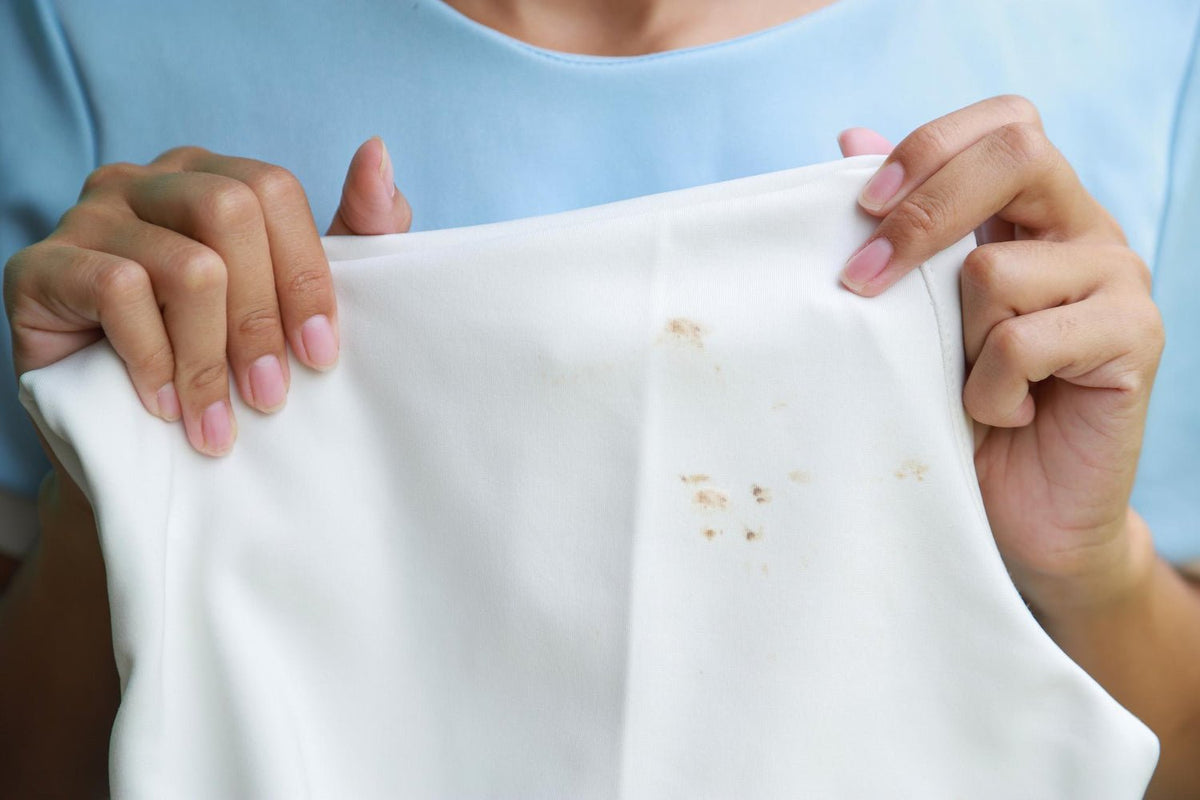
How To Remove Stains From Women's Casual Dresses
Stains have a way of showing up at the wrong time. One second you're enjoying lunch, and the next, your favorite casual dress has a smear of tomato sauce down the front. Whether it's your go-to dress for errands, weekend plans, or lounging in the yard, spills and stains can put a damper on your day. No one wants to give up a comfy, stylish look just because of one sticky accident.
Keeping women's casual dresses clean doesn't have to feel like a chore. Handling stains quickly and the right way helps keep your closet favorites looking good longer. From food and drink splashes to makeup smudges and deodorant marks, knowing how to deal with these messes before they set in can make a big difference.
Common Types Of Stains And Initial Treatments
The first step to saving your dress is knowing what you're dealing with. Different stains respond to different treatment steps, so identifying the source helps avoid making things worse. Here are some of the usual suspects when it comes to casual dress stains:
- Coffee and tea splashes from busy mornings
- Grease or oil from cooking or eating out
- Makeup like foundation or lipstick rubbing off during quick changes
- Sweat or deodorant marks from all-day wear
- Red wine or tomato sauces from evening get-togethers
It’s tempting to grab just any cleaner when you see a spot, but hold off before reaching for a strong product. Most fabric stains are easier to remove when you act fast using the right first steps:
1. Blot the stain. Don’t rub it. Press gently with a clean cloth or paper towel to lift any excess without spreading it deeper.
2. Rinse or dab cold water. For fresh stains, cold water can help loosen the mess. Use a damp cloth rather than soaking the entire area.
3. Check the fabric care label inside the dress. Some fabrics are delicate and need gentler attention.
4. Avoid adding heat like hot water or using a dryer until you’re sure the stain is out. Heat can lock in stains.
5. Use mild soap or stain remover sparingly just to start loosening the stain before washing.
Everyday stains can feel stressful, but having a simple plan makes them less of a hassle. Once you’ve handled the initial stain, it’s time for more targeted treatment based on the type of mark.
Specific Stain Removal Techniques
Now that you've prepped the stain, here’s how to treat it based on what kind of mess you’re dealing with. Each type of stain needs a slightly different approach, and getting it right matters.
Food and Drink Stains
These are pretty common. If it’s coffee, wine, or tomato-based sauces, you’ll want to act fast. Rinse with cold water, then add a drop of gentle dish soap and gently rub the fabric together to work it in. Let it sit for a few minutes before rinsing again. For tomato sauce stains, add a bit of white vinegar to help loosen the acid if soap alone isn’t enough.
Makeup Stains
Lipstick, foundation, or powder can easily land on your neckline. Start by gently scraping any excess with a dull knife or spoon. Dab the stain with an oil-free makeup remover, then rinse with lukewarm water and a small amount of hand soap. Avoid alcohol-heavy products, especially on light or delicate fabrics.
Sweat and Deodorant Stains
These show up slowly but can be stubborn. Mix a paste using baking soda and water and apply it to the underarm area. Let it sit for 10 to 15 minutes before rinsing and washing. For fresh deodorant marks, you can try wiping the area with a damp cloth or unscented baby wipe.
Grease and Oil Stains
First, blot away excess oil without rubbing. Sprinkle baking soda or cornstarch over the spot and let it sit for about 20 minutes to absorb the oil. Brush off and then apply a few drops of dish soap. Gently rub and rinse before washing the dress.
Test any stain treatment on a hidden part of the dress if you're not sure how the fabric will react. This is especially helpful with items made from rayon, silk, or other delicate materials.
Products And Solutions To Use
Once you’ve figured out the type of stain, it helps to know which cleaning products work best. Many of these are already in your kitchen or laundry cabinet.
- Dish soap: Great for oily or greasy stains and safe for most fabrics
- White vinegar: Works on sweat, deodorant, and tomato stains when diluted with water
- Baking soda: Helps with odors and sweat stains when made into a paste
- Hydrogen peroxide: Can lift tougher stains like sweat or wine, but only for color-safe fabrics
- Cornstarch or baby powder: Soaks up fresh oil spills
- Rubbing alcohol: Removes ink and marker stains but should be used with care on colored fabric
- Enzyme-based stain removers: Useful for sweat, grass, or food protein-based stains
Always use a soft cloth or your fingers to apply cleaning products. Skip the scrub brushes, especially for delicate fabrics. It’s smarter to let the product sit for 5 to 15 minutes, depending on the cleaner, before rinsing or tossing the item in the wash. Follow fabric care tags to make sure cleaning steps won’t weaken the dress.
Spot test anything new on a less visible area first. That extra care helps you avoid permanently changing fabric color or texture.
Preventative Measures And General Care Tips
Stopping stains before they happen is always easier than dealing with them later. A few simple habits can go a long way in keeping your casual dresses in top shape.
Try these everyday tips:
1. Apply makeup and deodorant before getting dressed. Let both dry completely to reduce transfer.
2. Slip a napkin over your lap during meals if you're wearing a lighter dress.
3. Keep a stain remover pen or wipe in your bag for quick touch-ups when needed.
4. Wash clothes soon after they’ve been exposed to sweat, makeup, or food instead of letting them sit for days.
5. Always inspect dresses for stains before placing them in the dryer. Once dried, many stains become permanent.
6. Store lighter-color pieces out of direct sun or humid closets to prevent discoloration.
Dresses last longer when you treat them with care. Use cold-water washes when you can, avoid bleach unless the fabric says it’s safe, and don’t over-launder items. Machine time takes a toll.
For drying, hang on padded hangers or lay flat instead of using wire hooks or sticking delicate styles in overstuffed closets. The gentler the care, the more wear you'll get.
Your Favorite Dresses, Always Ready
Knowing how to treat stains makes your wardrobe less of a worry. A bit of quick action and the right approach can turn an “oops” moment into no big deal. Whether brunch was messy or a makeup swipe got out of hand, you’ll be ready to clean it up without tossing your outfit in the donation pile.
There’s confidence in putting on a dress that fits well, looks clean, and just makes you feel good. Handling messes the smart way and caring for your clothes regularly means you’ll keep reaching for your favorites again and again.
For a wide range of styles and options that fit your everyday life, explore our collection of women's casual dresses at OLIVIA'S. With the right care and a little confidence, your favorite looks will stay fresh and ready for anything that comes your way.